5 Best Trekking Poles: Your Ultimate Hiking Companion

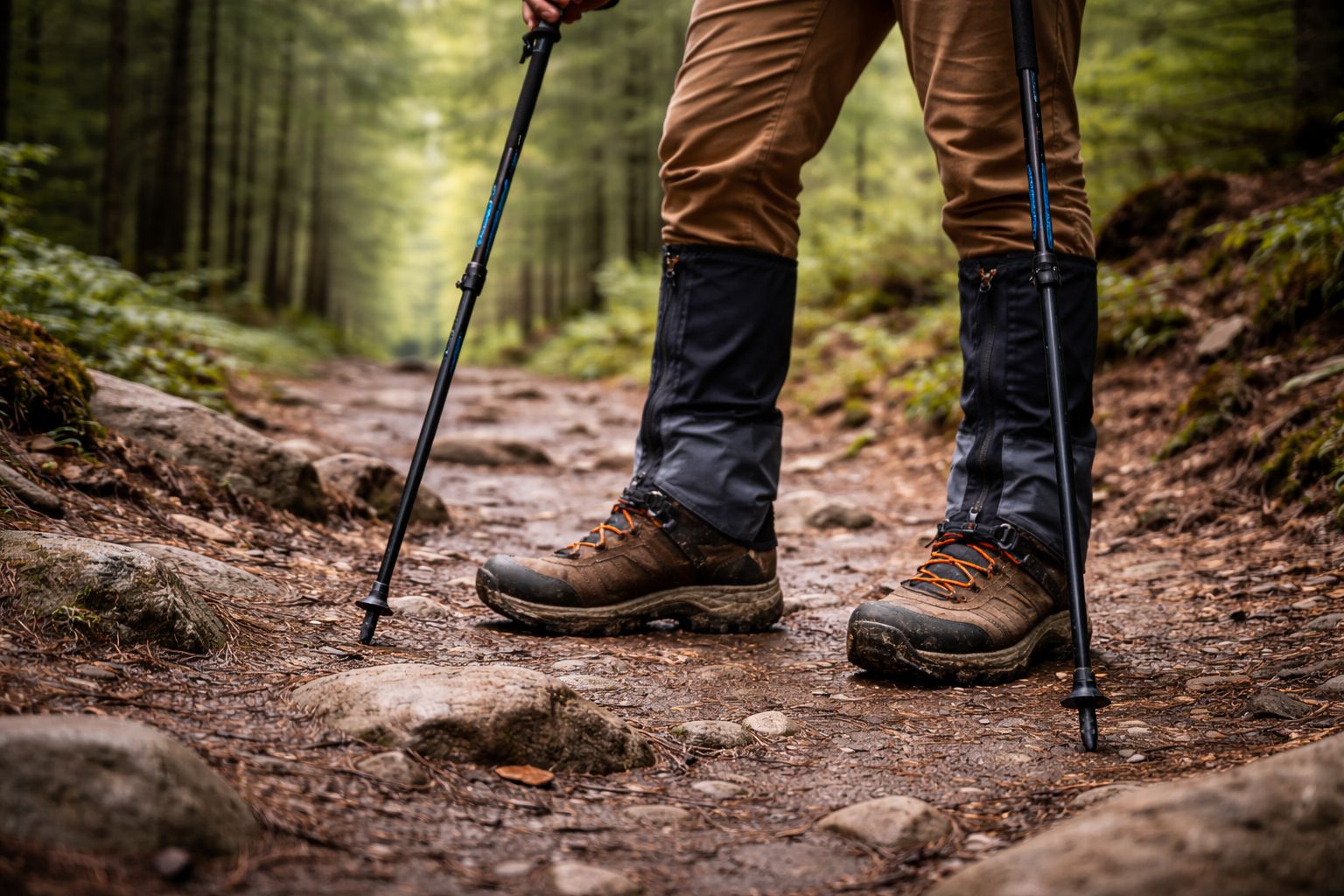
You’re gearing up for trails that test your balance and your grip. With 5 trekking poles designed for stability, comfort, and all-terrain versatility, you’ll feel the difference on steep sections and uneven rocks. They blend lightweight durability with smart features like anti-shock, cork grips, and quick-locks. Curious how each model stacks up and which one fits your adventures best? There’s a lot to weigh before you commit.
Key Takeaways
- Compare top trekking poles by material: aluminum vs carbon fiber, highlighting weight, strength, and durability for different terrains.
- Highlight comfort and grip: cork and EVA foam grips, moisture management, and anti-slip designs for long days on trail.
- Assess adjustability and locking: quick-lock, flip-lock, and twist-lock mechanisms for easy height customization.
- Consider foldability and packability: tri-fold or collapsible designs for compact travel and easy storage.
- Note warranties and reliability: multi-year warranties, trusted brands, and customer support for peace of mind.
| Cascade Mountain Tech Aluminum Trekking Poles with Tips |  | Best All-Around | Material: Aircraft-grade aluminum (6061) | Lock/adjust mechanism: Quick Lock | Grip type: Cork grip | VIEW LATEST PRICE | Read Our Analysis |
| Carbon Fiber Trekking Poles with Cork & Foam Grips |  | Ultra-Light Leader | Material: 100% carbon fiber (3k carbon) | Lock/adjust mechanism: Flip lock lever | Grip type: Cork grip | VIEW LATEST PRICE | Read Our Analysis |
| TREKOLOGY Trek-Z Cork Grip Folding Trekking Poles |  | Foldable Travel Pro | Material: 100% aero-grade aluminum | Lock/adjust mechanism: Flip-lock height adjustment | Grip type: Cork grip | VIEW LATEST PRICE | Read Our Analysis |
| TheFitLife Nordic Trekking Poles with Anti-Shock |  | Anti-Shock Comfort | Material: Aluminum alloy | Lock/adjust mechanism: Quick twist-lock | Grip type: Rubber grip | VIEW LATEST PRICE | Read Our Analysis |
| KingGear Nordic Walking Poles with Cork Grip (2pc) |  | Sturdy Everyday Pick | Material: 7075 aluminum | Lock/adjust mechanism: Flip Lock | Grip type: Cork grip | VIEW LATEST PRICE | Read Our Analysis |
More Details on Our Top Picks
Cascade Mountain Tech Aluminum Trekking Poles with Tips
Looking for durable, lightweight poles that stay steady on rough trails? Cascade Mountain Tech Aluminum Trekking Poles give you just that. Crafted from aircraft-grade 6061 aluminum, they pair a tungsten carbide tip with a cork grip and an extended EVA grip for comfort and control. A Quick Lock system on the upper, middle, and lower pieces keeps setup fast and secure, while the full 54-inch length expands from 26 inches collapsed. Each pole weighs 10.4 ounces, and a tip kit is included for easy maintenance. Replacement tips are available if you swap to tungsten carbide.
- Material:Aircraft-grade aluminum (6061)
- Lock/adjust mechanism:Quick Lock
- Grip type:Cork grip
- Weight per pole:10.4 oz
- Extended length range:54 inches (fully extended)
- Included accessories:Tip kit included
- Additional Feature:Tungsten carbide tip included
- Additional Feature:Cork grip with EVA extension
- Additional Feature:Disassembled piece lengths
Carbon Fiber Trekking Poles with Cork & Foam Grips
If you want a lightweight, durable option for both long hikes and fast ascents, these Carbon Fiber Trekking Poles with Cork & Foam Grips deliver. Crafted from 100% 3k carbon fiber, they weigh 7.6 oz per pole and retract from 24” to 55” for versatile setups. Lighter and more versatile than aluminum, they use metal locks and flip lock leverage for secure, quick adjustments. With moisture-wicking cork grips and nonslip EVA foam extensions, comfort stays strong on steep climbs, while neoprene straps prevent chafing. Trusted by 50,000+ customers since 2015, built for long life, backed by a 3-year warranty. USA brand, responsive support.
- Material:100% carbon fiber (3k carbon)
- Lock/adjust mechanism:Flip lock lever
- Grip type:Cork grip
- Weight per pole:7.6 oz
- Extended length range:24–55 inches
- Included accessories:Carry bag, tips, baskets, guard components
- Additional Feature:3k carbon fiber
- Additional Feature:50,000+ customers
- Additional Feature:3-year warranty
TREKOLOGY Trek-Z Cork Grip Folding Trekking Poles
The TREKOLOGY Trek-Z Cork Grip Folding Trekking Poles are ideal for hikers who want lightweight, collapsible support without sacrificing grip or durability, thanks to their cork handles that wick sweat and mold to your hand. You’ll appreciate the 100% aero-grade aluminum shafts, offering strength without excess weight, plus a collapsible tri-fold design that folds to 15 inches for easy packing. With adjustable height from 110 to 130 cm, they fit a wide range of users. The cork grips stay dry, EVA shafts grip rugged terrain, and interchangeable baskets adapt to seasons, while metal caps and locking joints ensure reliability on demanding trails.
- Material:100% aero-grade aluminum
- Lock/adjust mechanism:Flip-lock height adjustment
- Grip type:Cork grip
- Weight per pole:11.5 oz
- Extended length range:110–130 cm (43.3–51.2 inches)
- Included accessories:Carry bag, tips, baskets, protection components
- Additional Feature:15 inch folded length
- Additional Feature:Interchangeable baskets
- Additional Feature:Metal stopper locking system
TheFitLife Nordic Trekking Poles with Anti-Shock
TheFitLife Nordic Trekking Poles with Anti-Shock stand out for their built-in shock-absorbing spring and quick twist-lock adjustment, delivering stability and comfort on every trail. You’ll appreciate the quick, glove-friendly twist-locks that set height in seconds, with no bulky levers. These ultralight aluminum poles collapse to 25.6 inches and extend up to 51.2 inches, fitting diverse terrains and statures. Enjoy non-slip, rubber grips and a rugged build that endures cold weather and rough trails. They disassemble for travel, come with tips and baskets, and support hiking, trekking, and backpacking. With five colors and a 1-year warranty, they’re a reliable all-season choice.
- Material:Aluminum alloy
- Lock/adjust mechanism:Quick twist-lock
- Grip type:Rubber grip
- Weight per pole:9.92 oz
- Extended length range:26–51.2 inches
- Included accessories:Carry bag, tips, baskets, snow/mud accessories
- Additional Feature:Anti-shock spring
- Additional Feature:Quick twist adjustment
- Additional Feature:Five color options
KingGear Nordic Walking Poles with Cork Grip (2pc)
KingGear Nordic Walking Poles with Cork Grip (2pc) stand out for hikers who want a lightweight, durable pair with a comfortable, sweat-managing grip. You get aviation-grade 7075 aluminum, lighter than 6061 and stronger than carbon fiber, plus a retractable shaft with a durable quick flip lock. Extend from 25.5 to 54 inches to match your height, posture, and pace, boosting calorie burn and reducing impact. The ergono mic anti-sweat cork grip wicks sweat, while the bottom EVA absorbs palm moisture and the adjustable wristband minimizes slippage. Includes multiple tips and baskets, backed by a lifetime guarantee and trusted by 400,000+ hikers.
- Material:7075 aluminum
- Lock/adjust mechanism:Flip Lock
- Grip type:Cork grip
- Weight per pole:Not stated per-pole total; implied lightweight aluminum
- Extended length range:25.5–54 inches
- Included accessories:Multiple baskets and tips (snow, mud, rubber, Nordic tips)
- Additional Feature:7075 aviation aluminum
- Additional Feature:Lifetime guarantee
- Additional Feature:Tungsten carbide tip
Factors to Consider When Choosing Trekking Poles
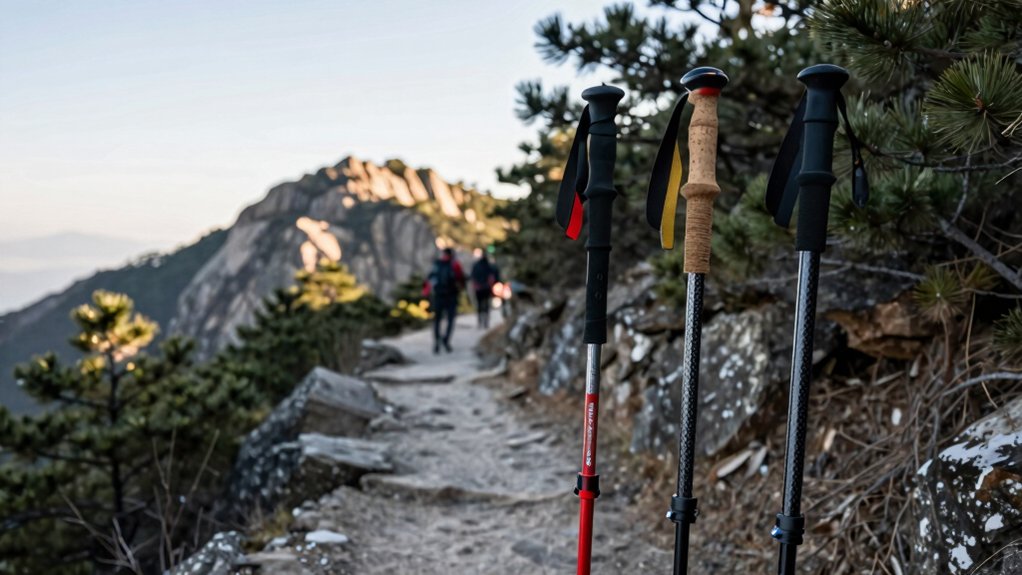
When you pick trekking poles, consider pole material differences and how they affect weight, strength, and durability. Weight implications matter for endurance, while lock mechanisms and length adjustability determine reliability and fit on varied terrain. Grip comfort should align with your grip style to reduce fatigue, so choose a setup that matches your preferred length and flexibility.
Pole Material Differences
Choosing between carbon fiber and aluminum poles comes down to a simple trade-off: weight versus durability and cost. Carbon fiber poles are lighter per ounce, delivering a higher strength-to-weight ratio for overall lightweight performance. Aluminum trekking poles, such as 6061 or 7075 alloys, are typically more durable and impact resistant, often with reliable quick-lock mechanisms. Carbon fiber may retain stiffness better under load but can be more expensive and may suffer from joint or tip durability concerns on rough terrain. Aluminum poles usually feature metal locks and robust joints, providing secure adjustments and easier field maintenance. The choice often hinges on balancing weight savings with long-term durability and cost considerations, so you select what best fits your terrain, mileage, and budget.
Weight Implications
Weight matters: it directly affects how hard your backpack feels and how quickly you tire on long climbs. When you choose, consider total system weight, not just a single pole. Lighter poles reduce energy drain on long ascents and can boost end-of-day comfort, especially if you’ll be swapping terrain or carrying a heavy pack. Individual pole weight, paired with length, influences handling and fatigue; typical poles run about 7–12 ounces each. Carbon fiber options around 7.6 oz offer a light touch but may trade durability for aluminum’s heft. Heavier poles near 11–12 oz provide more stiffness and stability on technical sections, potentially cutting energy use there. If you hike all day, evaluate balance between weight, total two-pole load, length, and grip design.
Locking Mechanisms
Locking mechanisms are the backbone of a trekking pole’s reliability on uneven trails and in variable weather. Quick Lock (flip-lock) systems offer fast, secure height adjustments with easy one-handed operation, often replacing twist-lock in modern poles. You’ll appreciate how they tighten with a simple flip, reducing interruption on steep or rocky sections. Twist-locks require multiple full turns to lock and unlock and can loosen under heavy use, slowing you down. Durable metal or reinforced joints and caps improve lock durability and minimize wobble, keeping adjustments precise over rough terrain. Anti-shock or spring-assisted designs influence how the lock handles rapid angle changes and impact on downhill sections. Folding poles with integrated locks must stay secure across segments to prevent length shifts mid-use.
Grip Comfort
Grip comfort is essential for long days on the trail, so look for grips that wick moisture, mold to your hand, and stay secure on steep climbs. Cork grips wick moisture and mold to the hand for drier, more comfortable contact during long hikes. Sweat-wicking cork minimizes moisture buildup, helping maintain grip stability in hot or humid conditions. Ergonomic, textured grips are designed to fit various hand sizes and reduce slipping on uneven terrain. EVA foam grip extensions provide a soft, non-slip surface under cork grips for steep climbs, giving you a calmer transition from palm to pole. Neoprene padded hand straps help reduce chafing and distribute pressure on extended use, so you finish your day with less soreness and more control.
Length Adjustability
Length adjustability is key for comfort and efficiency on varied terrain. You’ll want poles that extend from about 24–25 inches collapsed to 51–55 inches, so you can match leg length and terrain needs without overreaching. Quick-lock or flip-lock systems let you change height fast, while twist-locks are reliable but slower; choose what suits your pace. Some models use multi-segment, tri-fold, or telescoping designs to reach longer lengths and compress smaller for storage. Telescoping ranges matter when you’re sharing gear among hikers of different heights, including teens and adults. Longer extended lengths excel on steep ascents and uneven ground, but weigh and stiffness can impact comfort over long days. Balance extended reach with carry weight for optimal, steady performance.
Durability & Warranty
Durability starts with the shaft and joints you trust on rugged trails. You’ll notice aircraft-grade aluminum or 7075 tubes deliver a strong, lightweight core that tackles rough terrain without weighing you down. Secure height changes matter, so flip-lock or quick-lock mechanisms reduce slippage and boost long-term reliability. Some poles add metal caps and reinforced joints to survive repeated folding and demanding conditions, giving you confidence on tough ascents. Carbon fiber options sound light, but higher-end aluminum designs often win for durability in harsh environments, where you push through rocks and roots. Warranty matters too: 3-year or lifetime guarantees signal a brand’s belief in performance. Large user bases further reflect proven dependability, helping you choose a pole you can rely on mile after mile.
Packability & Travel
Packability and travel ease often top the list when choosing trekking poles, because compact folds mean less bulk in your pack and easier airline or bus transport. You’ll want a model that folds to pocket-sized lengths, like tri-fold designs, so it fits into carry-on or backpack compartments. Consider how each pole disassembles, since pieces splitting for travel can affect how you pack a suitcase or duffel and what airline tolerance you’ll encounter. Quick-lock or twist-lock mechanisms matter, influencing setup speed and stability while you’re on the move. Don’t overlook included carry bags or protective cases, which boost portability and guard poles during transit. In practice, balance collapsed length, assembly method, and protective gear to optimize travel without sacrificing performance on the trail.
Season-Ready Accessories
Season-ready accessories tailor trekking poles to any season, so you stay steady whether trails are snowy, muddy, or dry. Interchangeable baskets and varied tips help you maintain traction across seasons, from snow to mud to hard-packed paths. Look for corrosion-resistant components, like aluminum shafts with durable caps and reinforced locking systems, to withstand year-round use. Adjustable poles with multiple tip options and extra caps or baskets optimize performance in winter, spring, summer, and fall terrains. All-season kits often include carry bags and protective accessories to simplify storage and transport between hikes. Prioritize secure locks, moisture-wicking grips, and compatibility with season-specific accessories that address precipitation, mud, and snow, ensuring reliable performance in any condition.
Frequently Asked Questions
How Do Trekking Poles Improve Balance on Rocky Trails?
Using trekking poles improves balance on rocky trails by widening your base, aiding weight transfer, and giving you three contact points instead of two. As you plant a pole ahead, you soften impact and reduce ankle and knee wobble. The poles engage your core, stabilize hips, and help you steer over uneven surfaces. With deliberate, controlled placements, you maintain posture, re-centre quickly after slips, and glide more confidently along challenging, uneven terrain.
What Safety Features Should I Look for in Poles?
Safety features to look for include sturdy locking mechanisms, durable clamps, and reliable shock absorption. Opt for adjustable poles with quick-release locks, anti-slip grips, and padded straps that won’t dig in. Check for carbide tips or interchangeable baskets for different terrains, plus a wrist-friendly design and reflective accents for visibility. Ensure corrosion-resistant materials, and consider trekking poles with slip-resistant ferrules for icy or wet surfaces. Finally, verify weight ratings and manufacturer warranties for lasting performance.
Can Trekking Poles Replace Trekking Experience for Beginners?
No, trekking poles can’t replace the trekking experience for beginners. They supplement your balance, reduce joint strain, and build confidence, but real learning comes from terrain, weather, pacing, and footwork. Use them to practice rhythm and terrain adaptation, then gradually rely less as you gain skill. Start with shorter, comfortable grips, learn proper planting, and listen to your body. Poles help, yet hands-on practice and time on trails matter most.
Are Carbon Fiber Poles More Durable Than Aluminum?
Yes, carbon fiber poles aren’t inherently more durable than aluminum. You’ll find carbon fiber excels in stiffness and weight savings, giving you snappy responsiveness, while aluminum handles impacts without as much risk of cracking. For rugged, rocky terrain, aluminum often proves tougher long-term and cheaper to replace. If you prioritize lighter weight and vibration dampening, carbon’s your pick; if you want rugged, reliable durability at a lower cost, choose aluminum.
How Do I Adjust Pole Length for Varied Terrain?
Adjust the length by using the 4‑ to 6‑inch (10–15 cm) rule: shorten on steep uphills, lengthen on flats and descents. Keep your elbows at about 90 degrees, and your poles slightly in front to trim fatigue. For varied terrain, adjust in small increments, lock securely, and test balance before each step. When you grip, let your wrists do the work, not your shoulders. Recheck after stepping over logs or rocks.