4 Best Survival Stoves You Need for Outdoors

When you’re planning rugged trips, choosing the right survival stove matters as much as your gear list. You’ll want something portable, reliable, and able to handle wood or quick-setup fuel. Imagine a stove that folds flat, a compact wood burner with a sturdy grid, or a backpack-ready option that shouting “campfire” without the fuss. Between these five standout survival stoves, there’s a balance to strike—and that balance could be the difference when you’re out where it matters most.
Key Takeaways
- Wide-mouth loading design enables quick fueling with sticks, leaves, and small branches for fast stove setup in survival scenarios.
- Durable 304 stainless steel construction provides rust resistance and longevity under rugged outdoor conditions.
- Stable cooking surface with crossbar supports and stainless grid ensures safe use for cooking meals, coffee, or boiling water.
- Packable and lightweight designs (around 1.1 pounds) with foldable or flatpack formats optimize backpack transport.
- Includes versatile fuel-flexible options and optional accessories (grill grate, carry case) for bushcraft and emergency use.
| Portable Camping Stove: Foldable Wood Campfire Stove Set |  | Ultra-Light & Reliable | Material: 304 stainless steel | Foldable/Compact: Foldable | Lightweight: 1.1 pounds | VIEW LATEST PRICE | Read Our Analysis |
| Redcamp Wood Burning Folding Camp Stove Portable Stainless Grid |  | Compact & Durable | Material: Stainless steel | Foldable/Compact: Foldable | Lightweight: 1.9 pounds | VIEW LATEST PRICE | Read Our Analysis |
| Sterno Foldable Portable Camping Stove (Easy Assembly) |  | Quick-Setup Convenience | Material: Metal (stainless steel implied) | Foldable/Compact: Foldable | Lightweight: 0.29 kg (approx. 0.64 pounds) | VIEW LATEST PRICE | Read Our Analysis |
| Stöker Wood Burning Camping Stove for Backpacking |  | Flatpack Survival Stove | Material: Stainless steel | Foldable/Compact: Flatpack / Foldable | Lightweight: 18 oz (approx. 1.13 pounds) | VIEW LATEST PRICE | Read Our Analysis |
More Details on Our Top Picks
Portable Camping Stove: Foldable Wood Campfire Stove Set
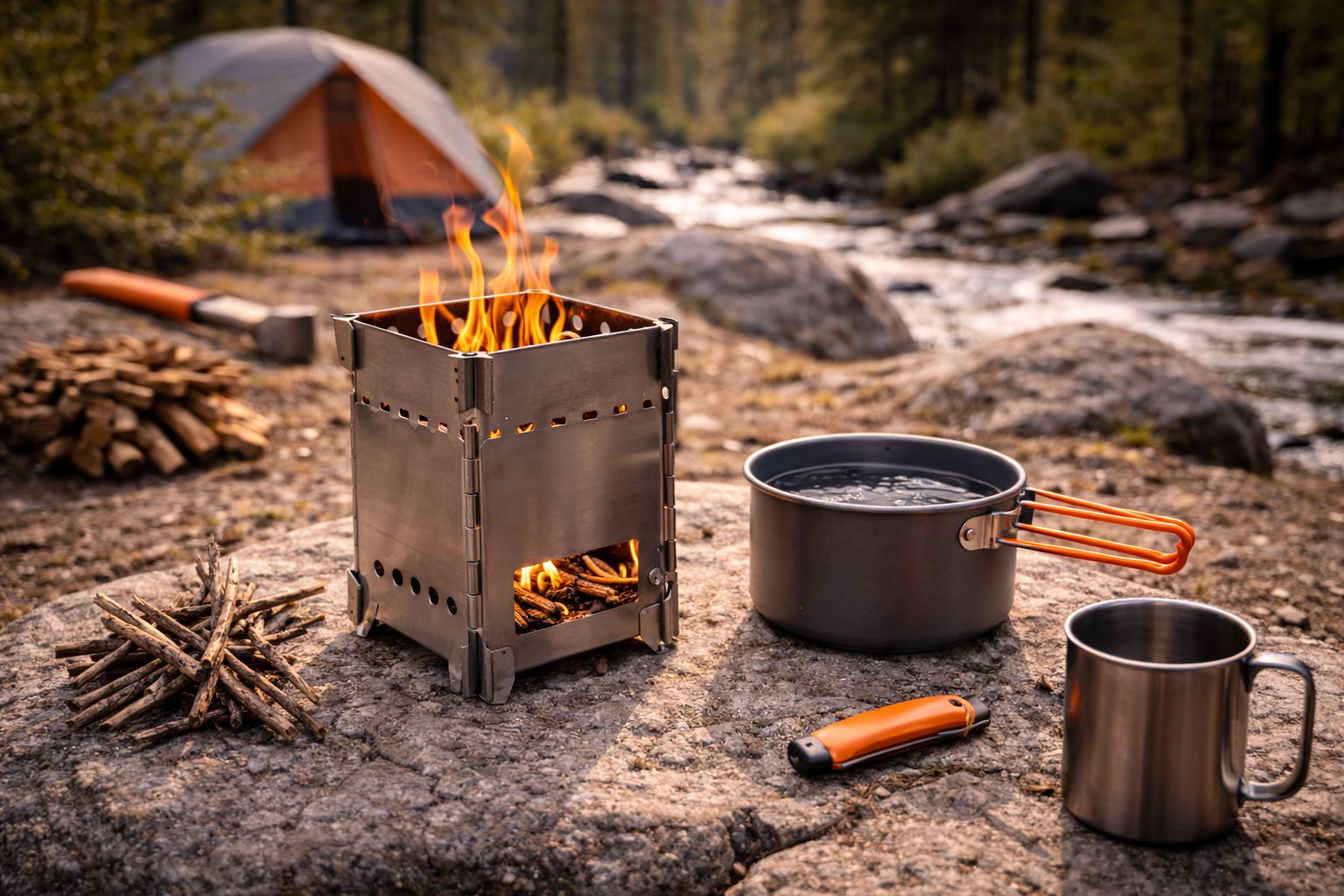
If you’re after a lightweight, pack-ready stove that doesn’t rely on fuel canisters, the Portable Camping Stove: Foldable Wood Campfire Stove Set is the top pick. You get a 100% pure 304 stainless steel build—durable, rust-resistant, and wear-proof—ready to handle high or low temperatures. It folds to hand size, weighs just 1.1 pounds, and fits easily into your backpack. Use wood, twigs, leaves, or branches for fuel, with a wide-mouth loading port for quick refueling and a stable crossbar for cookware. Quick setup, reliable in emergencies, and designed for tough outdoor conditions—perfect for serious campers.
- Material:304 stainless steel
- Foldable/Compact:Foldable
- Lightweight:1.1 pounds
- Fuel Type:Wood/wood-based fuel
- Use Case:Camping / survival cooking
- Storage/Carry Included:Nylon case
- Additional Feature:Wide-mouth wood loading
- Additional Feature:Stable crossbar for cookware
- Additional Feature:Ultra portable folding design
Redcamp Wood Burning Folding Camp Stove Portable Stainless Grid
The Redcamp Wood Burning Folding Camp Stove stands out for hikers who want a compact, reliable stove that works with natural fuels. This stainless steel stove folds into a portable 8.3 x 5.9 x 1.5-inch package and weighs 1.9 pounds, with a carry bag for easy transport. It uses leaves and twigs, delivering a true wilderness cooking experience. A stainless grid backs a stable cuboid platform, supporting heavy pots and utensils. Its durable design handles high heat, while the foldable frame stays sturdy at camp. Tear off the protective film after finish, and remove residual film before use for optimal performance.
- Material:Stainless steel
- Foldable/Compact:Foldable
- Lightweight:1.9 pounds
- Fuel Type:Leaves, twigs, and natural fuel
- Use Case:Backpacking / wilderness cooking
- Storage/Carry Included:Carry bag
- Additional Feature:Foldable and lightweight
- Additional Feature:Stainless steel grid backing plate
- Additional Feature:Carry bag included
Sterno Foldable Portable Camping Stove (Easy Assembly)
Sterno’s Foldable Portable Camping Stove excels for outdoor cooks who value quick setup and reliable performance. This easy-assembly stove is ideal for camping, picnics, tailgates, and emergencies, with a corrosion-resistant frame built to withstand the elements. You’ll appreciate its compact 7.36 x 6.61 x 1.14-inch footprint and light 0.29 kg package, making transport effortless. For best results, use Sterno green canned heat and enjoy hassle-free cooking anywhere under stars or at gatherings. Made for home and commercial use, this silver stove supports event planning and memorable hosting with reliable Sterno heritage and customer support. Its foldable design simplifies quick setup and cleanup.
- Material:Metal (stainless steel implied)
- Foldable/Compact:Foldable
- Lightweight:0.29 kg (approx. 0.64 pounds)
- Fuel Type:Canned heat (Sterno) option recommended
- Use Case:Camping picnics/tailgating
- Storage/Carry Included:Not specified (stated as stove only)
- Additional Feature:Corrosion-resistant frame
- Additional Feature:Easy to Assemble
- Additional Feature:Suitable for canned heat
Stöker Wood Burning Camping Stove for Backpacking
Looking for a stove that frees you from gas canisters while still delivering solid all-around performance? The Stöker Wood Burning Camping Stove for Backpacking gives you fuel-free, organic burning with twigs, pine cones, and moss, eliminating canisters entirely. This 18 oz flatpack stainless steel stove features five anti-corrosive 304 panels, a 25% thicker base plate, redesigned airflow, improved finishes, and a new grill for flame grilling beyond boiling. With the Köchen-X Grill Grate, you’re cooking versatile meals, not just boiling water. It packs flat, comes with a waxed canvas sleeve, and serves as a practical bushcraft gear choice for camping and hiking.
- Material:Stainless steel
- Foldable/Compact:Flatpack / Foldable
- Lightweight:18 oz (approx. 1.13 pounds)
- Fuel Type:Wood-based fuel (twigs, pine cones, etc.)
- Use Case:Backpacking / outdoor cooking
- Storage/Carry Included:Waxed canvas sleeve (and protective case)
- Additional Feature:Flatpack design
- Additional Feature:Bead-blasted finish
- Additional Feature:Köchen-X Grill Grate
Factors to Consider When Choosing Survival Stoves
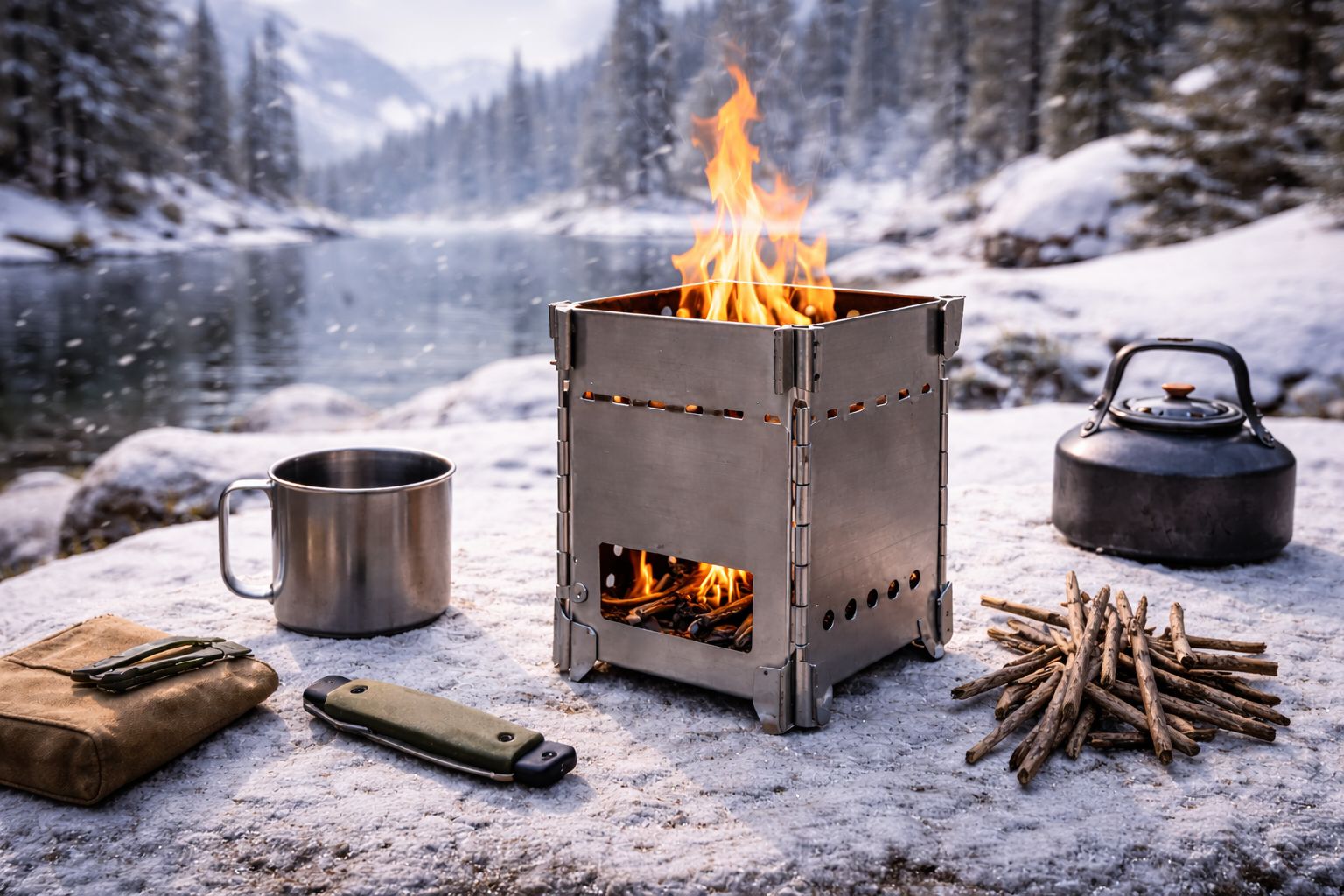
When you choose a survival stove, weight and portability shape what you can carry on longer trips and backcountry missions. Consider fuel flexibility, durability, and build quality to ensure dependable performance across varied conditions, then factor setup efficiency and cooking capacity to match your meal plans. In short, balance lightweight design with reliable fuel options and sturdy construction to optimize how you cook and carry on your outdoor adventures.
Weight and Portability
Weight and portability are top concerns when picking survival stoves, because every extra ounce can impact multi-day hikes. A lightweight stove prototype can weigh around 1.1 pounds, enabling easy backpack compatibility without adding noticeable bulk. Foldable designs reduce dimensions to hand size, improving packing efficiency for multi-day trips. Flatpack or collapsible constructions help minimize storage volume when not in use. Carrying cases or sleeves add protection and can double as tinder storage, aiding overall portability. Net weight and packed size directly influence how many stoves or alternate fuel options you can carry on extended adventures. When comparing survival stove models, prioritize compact form, durable carry options, and predictable packed dimensions to optimize load balance and accessibility during surprise weather or terrain changes.
Fuel Flexibility
Fuel flexibility means a survival stove can burn more than just proprietary canisters. When you prioritize broad fuel compatibility, you’re less tied to packaged fuels and better prepared for remote or emergency scenarios. A survival stove that accepts wood, twigs, leaves, moss, or pine cones lets you cook without hauling heavy canisters, which matters on longer trips. Wood-burning models that handle natural forest fuels expand your options without sacrificing performance. Some foldable or flatpack designs advertise natural-fuel operation, boosting portability while keeping a functional cooking surface. The versatility of fuel choices often ties to a larger burning chamber and stable surface, helping you manage varying flame sizes from different fuels. In practice, choose flexibility that suits your typical environments and carry comfort.
Durability & Build
Durability matters just as much as performance when you’re going rugged through the backcountry. When you pick a survival stove, look for 304 stainless steel to resist rust and wear in harsh outdoor conditions. Foldable designs help reduce metal fatigue by distributing weight and letting you store compactly without sacrificing integrity. A wide-burning chamber and stable crossbars boost load-bearing stability, so your cookware sits evenly and won’t deform under heavy pots. Thicker base plates and reinforced joints improve high-heat performance and longevity during prolonged use, keeping your stove reliable mile after mile. Protective coatings or bead-blasted finishes further resist moisture, ash, and other elements, preserving your survival stove’s finish and function over time.
Setup Efficiency
Setup efficiency is about how quickly and cleanly you can get from stashing your stove to cooking your first meal. A stable cooking surface and wide-mouth fuel loading streamline setup, reducing assembly time and fumbling when adding sticks or wood. Foldable designs that collapse to compact sizes (around 1.5–2 inches thick) enhance portability and quick packing for short or long trips. Lightweight builds under 2 pounds with durable, heat-resistant materials (like 304 stainless steel) minimize bulk while maintaining reliability in rugged conditions. A clear, intuitive setup process and included carry case or sleeve accelerate deployment and protect components during transit. Compatibility with a range of natural fuels (twigs, leaves, pine cones) allows rapid readiness for fire-starting without carrying extra fuel canisters.
Cooking Capacity
Ever wondered how much cooking capacity you really need from a survival stove? It starts with a larger burning chamber, letting you fit bigger pots and cook higher portions in a single boil, so you can serve more meals without constant refueling. A wide-mouth wood loading design keeps fuel feeding steady, maintaining heat for longer sessions and reducing pauses to tend the flame. Even if you choose foldable or collapsible survival stoves, ensure a stable cooking surface to prevent tipping during boiling or frying. Compatibility with multiple fuels—wood, twigs, leaves—affects how quickly you can replenish heat and keep cooking going. Finally, a sturdy crossbar-supported surface boosts safe handling of pots while boiling, simmering, or cooking your outdoor meals.
Pack-Ready Accessories
Looking for pack-ready essentials? Aim for stoves that fold into compact, hand-sized packages to maximize packability without compromising stability or cooking surface. Seek lightweight options around 1.1 pounds with a large burning chamber to balance portability and fuel efficiency. Prioritize 304 stainless steel construction for rust resistance and durability in rugged conditions. Favor stoves with wide-mouth wood loading or easy fuel access—twigs, leaves, branches—for quick fueling in the field. Include a protective carry case or sleeve to shield the survival stove during transport, and consider a sleeve that can convert into tinder or storage when needed. These pack-ready accessories streamline setup, fuel management, and transport, letting you focus on your outdoor adventure rather than logistics.
Frequently Asked Questions
How Long Do Fuel Sources Burn in Cold Weather?
Fuel burns faster in cold weather, but the exact duration depends on stove type and fuel. In general, preheat and keep a steady boil, then expect shorter burn times than in warm conditions. Jet stoves and canister fuels may last 5–10 minutes per ounce, while solid fuels could stretch longer if you economize usage. Pack extra fuel, insulate canisters, and monitor flame height to optimize efficiency in cold environments.
Are These Stoves Safe for Indoor Use?
No, you shouldn’t use these survival stoves indoors. They emit carbon monoxide and require ventilation, which indoor spaces can’t reliably provide. If you must cook indoors, use adequate ventilation. Always follow manufacturer guidelines, and keep flammables away. For outdoor trips, reserve these stoves strictly for well-ventilated areas to stay safe.
Can You Cook With Liquid Fuel on Wood Stoves?
Yes, you can’t safely cook with liquid fuel on wood stoves. You should use the stove for solid fuel or designated liquid-fuel appliances, and follow the manufacturer’s instructions. Mixing fuels risks flare-ups, fumes, and dangerous pressure changes. If you must cook with liquid fuel, switch to a stove designed for it, and operate outdoors with proper ventilation. Keep a fire extinguisher handy, and never use flammable liquids near heated surfaces. Safety first.
What Maintenance Prevents Corrosion and Rust?
You prevent corrosion and rust by keeping your survival stove clean and dry, applying a thin oil film to metal surfaces, and performing regular inspections. After each use, wipe away moisture, store in a dry place, and address any chips or scratches promptly. Use manufacturer-recommended Protective coatings or rust inhibitors on exposed parts, and avoid leaving fuel residues. Ensure vents and fuel lines stay clear, and replace worn gaskets to maintain a tight seal. Regular maintenance saves lasting performance.
Do Stoves Require Official Certification for Travel?
Yes, survival stoves often require official certification for travel, especially on airlines or in automated border checks. Check your destination’s rules, and carry any relevant documents. You’ll typically need proof of safety standards, appropriate fuel type disclosures, and accessory lists. If you’re unsure, contact the carrier or authorities before packing. You’ll reduce delays by choosing certified models and packing manuals. Pack fuel separately or leave it at home when flying.