6 Best Survival Water Filtration Systems to Stay Hydrated Anywhere

If you need reliable hydration anywhere, you’ll want to compare seven top survival water filtration options, from portable pumps to straw filters and bottle purifiers. You’ll consider flow rates, weight, cartridge life, and certifications to fit your travel style. Each system has its quirks, maintenance needs, and source compatibility. Ready to weigh pros and cons, and see which setup keeps you hydrated when water sources aren’t guaranteed? Let’s explore what makes sense for you.
Key Takeaways
- Compare portable pump, bottle-purifier, straw, and mini systems to match solo or group use and travel needs.
- Look for 0.1-micron filters and NSF/ANSI certifications (42, 372, 401) for credible protection.
- Consider cartridge lifespan (65 gallons to 3,000+ L) and replacement cost for long-term use.
- Evaluate weight, form factor (2–12.8 oz), and compatibility with bottles/cups for on-the-go hydration.
- Check maintenance: backflushing, sanitizing, and storage to ensure reliable performance during emergencies.
| Survivor Filter PRO Hand Pump Water Filtration System |  | Best Overall | Purpose: Hand pump water filtration system for camping/survival | Portable/Compact: Lightweight 12.8 oz | 0.1 micron or better: Not explicitly 0.1 µm; claims removal of viruses/bacteria | VIEW LATEST PRICE | Read Our Analysis |
| Grayl GeoPress 24 oz Water Purifier Bottle (Black Camo) | 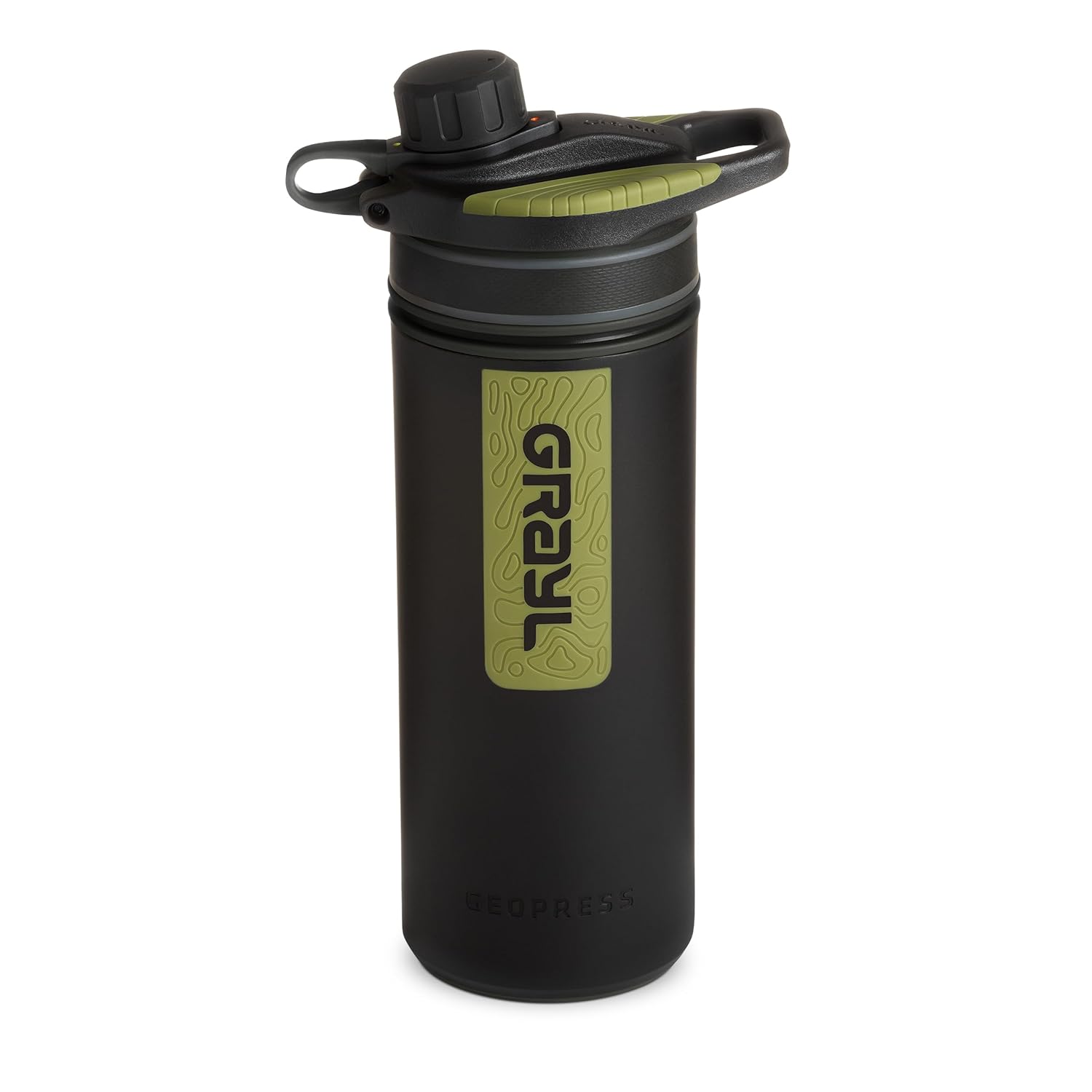 | Quick-Access Purifier | Purpose: Purifier bottle for hiking/camping/backpacking | Portable/Compact: Bottle form factor; compact for carry | 0.1 micron or better: Removes pathogens including viruses/bacteria; overall purification | VIEW LATEST PRICE | Read Our Analysis |
| Membrane Solutions Straw Water Filter S1 (NSF Cert) | 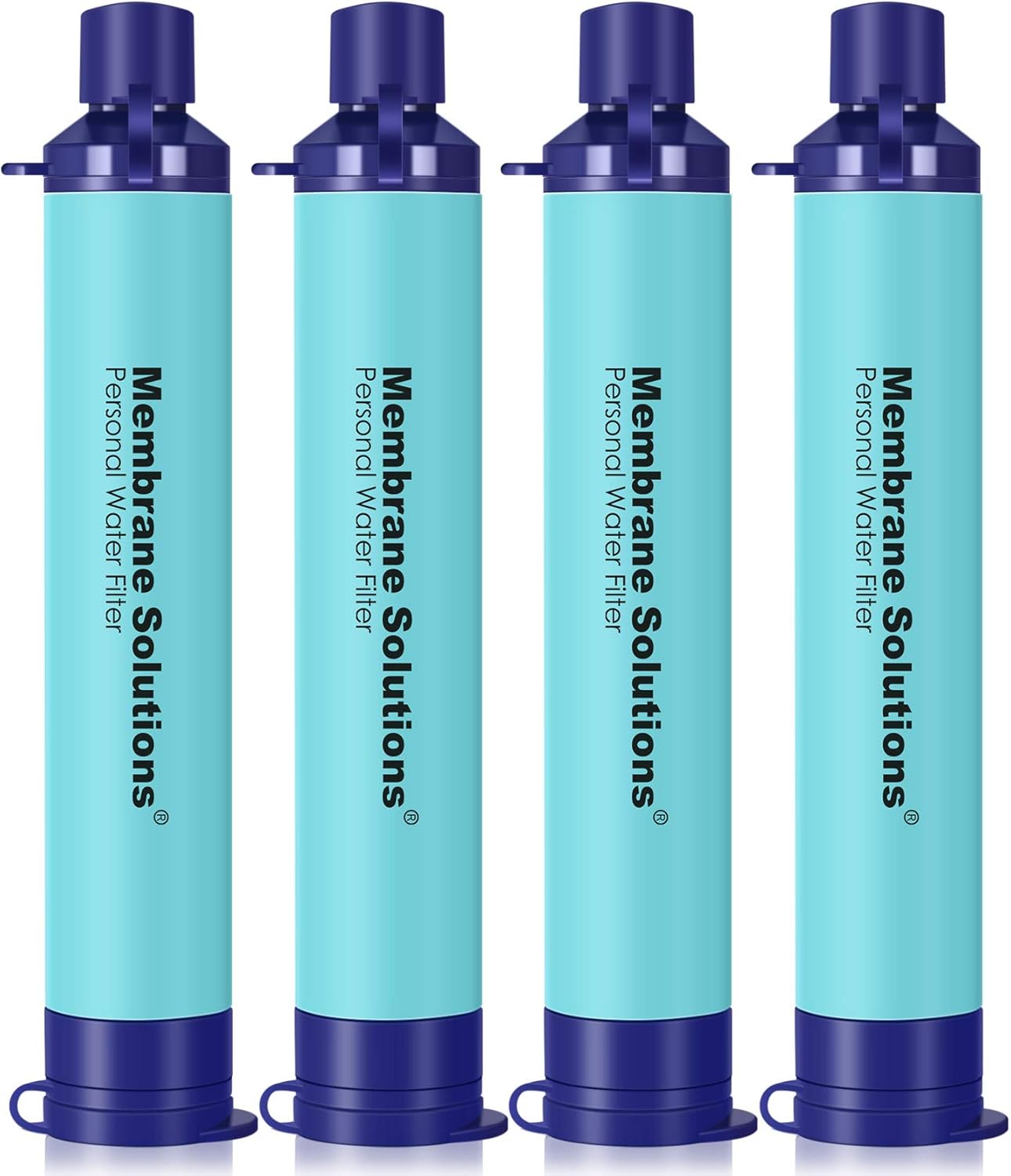 | Ultra-Compact NSF Certified | Purpose: Portable straw filter for outdoor/survival | Portable/Compact: Palm-sized 2 oz | 0.1 micron or better: 0.1 micron pore size | VIEW LATEST PRICE | Read Our Analysis |
| 4 Pack Portable Water Filter Straws for Outdoors |  | Long-Run Supply | Purpose: Personal portable water filter straw for outdoors | Portable/Compact: 3.5 oz per unit; compact straws | 0.1 micron or better: 0.1 micron filtration (microplastics down to 0.1 µm) | VIEW LATEST PRICE | Read Our Analysis |
| Sawyer Products Mini Water Filtration System |  | Ultra-Portable Pro | Purpose: Mini filtration system for outdoor and travel | Portable/Compact: Palm-sized 2 oz | 0.1 micron or better: 0.1 micron absolute filter | VIEW LATEST PRICE | Read Our Analysis |
| Squeeze Water Filtration System |  | Lightweight Survival Squeeze | Purpose: Squeeze filtration system for outdoor travel/emergency | Portable/Compact: Palm-sized 2 oz | 0.1 micron or better: 0.1 micron absolute filter | VIEW LATEST PRICE | Read Our Analysis |
More Details on Our Top Picks
Survivor Filter PRO Hand Pump Water Filtration System
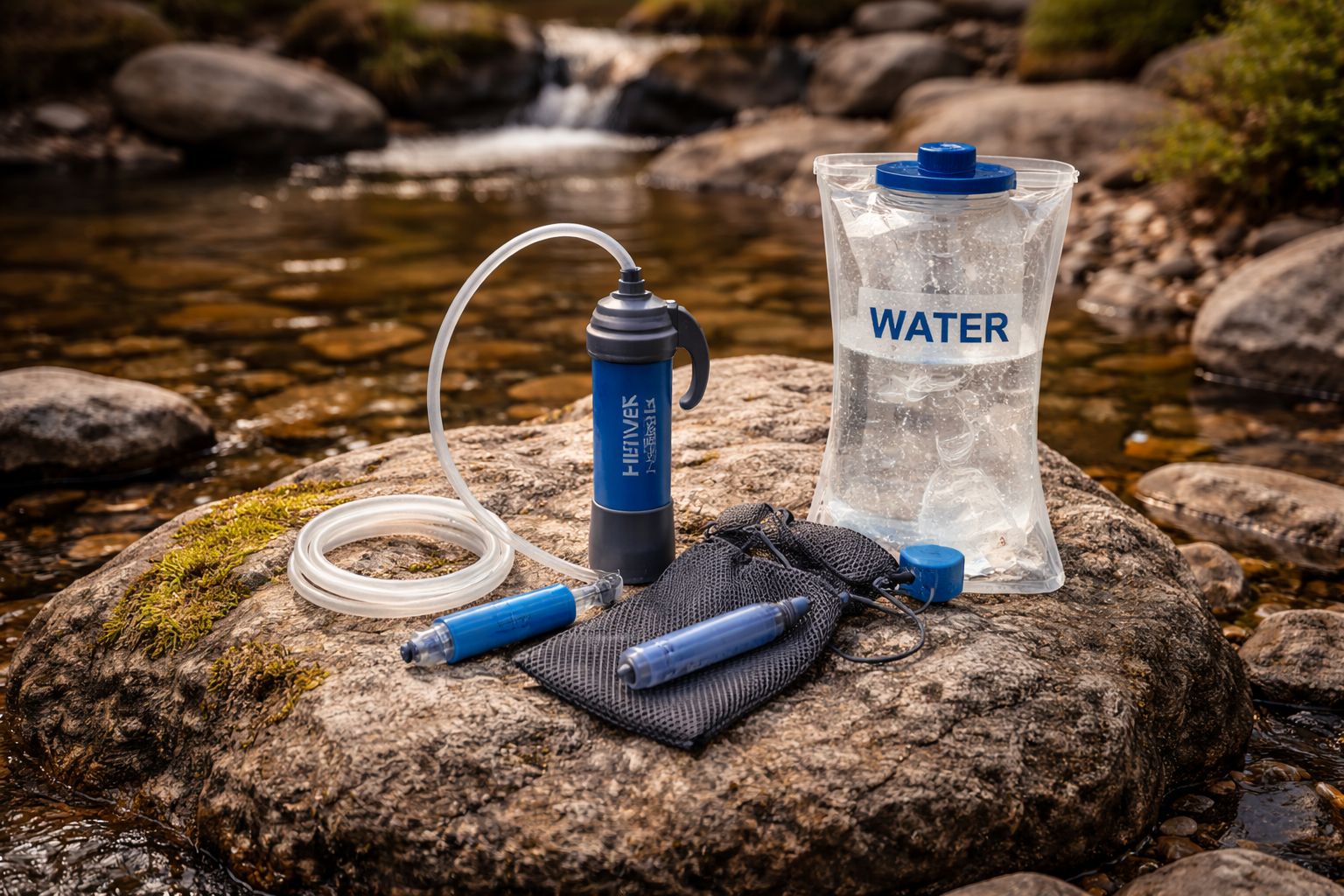
If you’re after a lightweight, no-fuss purifier you can pump on the go, the Survivor Filter PRO Hand Pump stands out. Weighing 12.8 oz, it’s a compact, charge-free option you can take anywhere. This BPA-free unit removes 99.999% of tested virus, staph, bacteria, and protozoa while reducing heavy metals, meeting NSF/ANSI standards. With a fast 500 ml per minute flow, you don’t wait for clean water—just pump directly from fresh sources. It arrives with a cup, bag, filters, tubes, and manual, and the manufacturer backs it with a lifetime warranty and lifetime defect coverage. Clean water, anywhere, for life.
- Purpose:Hand pump water filtration system for camping/survival
- Portable/Compact:Lightweight 12.8 oz
- 0.1 micron or better:Not explicitly 0.1 µm; claims removal of viruses/bacteria
- Pathogen Reduction:Removes 99.999% tested virus/bacteria
- Capacity / Lifespan:Up to 500 ml per minute, lifetime warranty (implied long-term use)
- Certification / Safety:NSF/ANSI standards (checked)
- Additional Feature:Cup, bag, filters included
- Additional Feature:500 ml/min flow rate
- Additional Feature:Lifetime warranty
Grayl GeoPress 24 oz Water Purifier Bottle (Black Camo)
The Grayl GeoPress 24 oz Water Purifier Bottle is a standout choice for hikers, campers, and travelers who need fast, reliable purification from any water source. You fill, press, drink, and know you’ve purified 24 oz (710 ml) per use. It removes viruses, bacteria, protozoa, and particulates, while adsorbing VOCs, PFAS, chemicals, pesticides, heavy metals, and odors. No pumps, hoses, batteries, or chemicals are required, making it ideal for emergencies or everyday trips. Cartridge life runs about 65 gallons (250 L). It suits spigots, hotel sinks, rivers, lakes, or wells, and is ready for travel or survival kits.
- Purpose:Purifier bottle for hiking/camping/backpacking
- Portable/Compact:Bottle form factor; compact for carry
- 0.1 micron or better:Removes pathogens including viruses/bacteria; overall purification
- Pathogen Reduction:Removes all viruses and bacteria
- Capacity / Lifespan:Cartridge life ~65 gallons (250 L)
- Certification / Safety:general purification claims; not specified
- Additional Feature:24 oz per use
- Additional Feature:No pumping required
- Additional Feature:Purifier cartridge life (~65 gallons)
Membrane Solutions Straw Water Filter S1 (NSF Cert)
Looking for a compact, NSF-certified straw filter that’s ready for hiking, camping, or emergency prep? The Membrane Solutions Straw Water Filter S1 delivers. It’s triple NSF certified (42, 372, 401) and SGS-tested, with a 0.1-micron pore size for better filtration than many rivals. At 7.1 inches and 2 ounces, it fits 28mm bottles and cups, and removes odors, particulates, microplastics, and metals while preserving minerals. With a 5-stage system and up to 1,320 gallons of lifespan, you get quick, portable filtration without electricity. Durable, BPA-free, and compatible with soft water pouches, it suits families, teams, and travelers.
- Purpose:Portable straw filter for outdoor/survival
- Portable/Compact:Palm-sized 2 oz
- 0.1 micron or better:0.1 micron pore size
- Pathogen Reduction:Reduces micro-organisms; 0.1 µm filter
- Capacity / Lifespan:Up to 1320 gallons (5000 liters)
- Certification / Safety:NSF/ANSI 42, 372, 401; SGS tested
- Additional Feature:0.1 micron pores
- Additional Feature:Fits 28mm bottles/cups
- Additional Feature:Up to 1,320 gallons life
4 Pack Portable Water Filter Straws for Outdoors
If you’re prioritizing portable, personal filtration that you can stash in a go-bag, these 4 Pack Water Filter Straws deliver long-lasting value, with each unit capable of filtering up to 1,300 gallons and a 0.1-micron removal rating. You get SGS-certified performance, protecting against over 99.9999% of harmful substances and removing microplastics down to 0.1 micron. Each filter supports up to 1,300 gallons, giving an individual supply for years when properly used and maintained. Lightweight at 3.5 ounces, with 1.6-inch diameter and 8.2-inch length, they fit standard 28mm bottles and gravity hoses for versatile, on-the-go use.
- Purpose:Personal portable water filter straw for outdoors
- Portable/Compact:3.5 oz per unit; compact straws
- 0.1 micron or better:0.1 micron filtration (microplastics down to 0.1 µm)
- Pathogen Reduction:Removes >99.999% harmful substances
- Capacity / Lifespan:Up to 1,300 gallons per unit
- Certification / Safety:SGS Certified with test report
- Additional Feature:1,300 gallons per unit
- Additional Feature:8.2 inch length
- Additional Feature:SGS certified
Sawyer Products Mini Water Filtration System
The Sawyer Products Mini Water Filtration System stands out for ultralight portability and reliable filtration, making it ideal if you need a palm-sized solution for hiking, travel, or emergencies. You’ll appreciate its palm-fit design, weighing only 2 ounces, with a 0.1 micron absolute filter that traps bacteria, protozoa, and microplastics. It attaches to drink pouches, standard bottles, or lets you sip directly from a source, and it’s compatible with hydration packs. Includes a MINI filter and cleaning plunger, backed by a lifetime warranty. Independent testing shows 99.99999% bacteria removal and 99.9999% protozoa removal, plus durable performance for up to 100,000 gallons.
- Purpose:Mini filtration system for outdoor and travel
- Portable/Compact:Palm-sized 2 oz
- 0.1 micron or better:0.1 micron absolute filter
- Pathogen Reduction:Removes 99.99999% bacteria and 99.9999% protozoa
- Capacity / Lifespan:Filter rated up to 100,000 gallons
- Certification / Safety:Independent testing; 4.7+ rating
- Additional Feature:2 ounces weight
- Additional Feature:100,000 gallon filter life
- Additional Feature:Best Sellers rank high
Squeeze Water Filtration System
Squeeze Water Filtration System stands out for ultra-portable filtration, weighing just 2 ounces and fitting in the palm, making it ideal for solo hikers and quick trips where space and weight matter. This lightweight filter removes bacteria, protozoa, cysts, sediment, and 100% of microplastics with a 0.1 micron absolute inline filter. You can drink directly into your mouth or a bottle from the included pouch, thanks to a removable cap, and it fits standard 28 mm threads for most bottles. Two 32-ounce collapsible pouches, a drinking straw, and inline adapters accompany the system for flexible setups. It’s tested and ready for travel, emergencies, and adventures.
- Purpose:Squeeze filtration system for outdoor travel/emergency
- Portable/Compact:Palm-sized 2 oz
- 0.1 micron or better:0.1 micron absolute filter
- Pathogen Reduction:Removes bacteria, protozoa, cysts
- Capacity / Lifespan:Not explicitly stated; focuses on per-unit performance
- Certification / Safety:0.1 micron filter; Sawyer testing standards
- Additional Feature:Palm-sized 2 oz
- Additional Feature:Includes two pouches
- Additional Feature:0.1 micron inline filter
Factors to Consider When Choosing Survival Water Filtration Systems to Keep You Hydrated in Any Situation
When you pick a survival filter, consider filter type and performance so you know it handles the water you’ll encounter. Check flow rate for quick access, and weigh versatility and use to cover different sources. Don’t forget cartridge lifespan and portable weight, since every hike or trip hinges on reliability and ease of carry.
Filter Type Performance
Filter type performance matters because the right setup balances speed, reliability, and purification quality in any scenario. You’ll find 0.1 micron absolute filters remove bacteria, protozoa, microplastics, and particulates with higher accuracy than larger pores. Multi‑stage systems, like 5-stage units, combine coarse filtration, carbon, and ultrafiltration to cut odors, metals, and microplastics while preserving minerals. A 3-stage arrangement can hit about 99.9% impurity removal, using a 5-micron pre-filter plus 0.01-micron ultrafiltration for enhanced purity. Inline or straw filters offer very high pathogen removal—sometimes 99.9999% bacteria and 99.999% protozoa—while staying compatible with bottles or hydration systems. Filtration capacity varies; high-output options deliver liters per minute, with cartridges lasting tens to hundreds of gallons before replacement.
Flow Rate Quickness
Flow rate matters because it determines how quickly you’ll have clean water, especially in emergencies or group use. Flow rate shows how fast a purifier produces water, ranging from about 500 ml/min up to 1.5 L/min in some 3-stage units. A higher rate reduces refill breaks and speeds up hydration when you’re sharing or facing time pressure. Some devices list liters per minute or gallons per minute to quantify performance under typical use. Faster flow often trades off with filter pore size or multi-stage complexity, so you’ll want a balance between output and contaminant removal needs. Portable systems boost speed with inline design and gravity-assisted or hand-pump mechanisms, improving on-the-go usability but potentially affecting filtration depth. Choose a rate that fits your scenarios without compromising safety.
Versatility & Use
Versatility matters because your hydration setup should adapt to any scenario, from a quick refill at a spigot to filtering muddy river water on expansion trips. Look for multi-use formats, like bottles with built-in purifiers, so you can drink directly from spigots, rivers, or wells without extra pumps. Hand-pump and cartridge-based options give you on-the-go filtration with no charging, ideal for rapid purification from natural sources. Straws and inline filters let you drink directly or attach to cups, pouches, or bags, shaping your preferred setup. Expect varied filtration stages, such as 3- to 5-stage systems, including microfiltration down to 0.1 microns and activated carbon for better taste and odor. Consider how each design fits your patterns of use and travel style.
Cartridge Lifespan
Cartridge lifespan varies widely, so you’ll want a clear sense of how many gallons or liters you can reliably treat before replacing. Lifespan is usually given per cartridge, from about 65 gallons (250 L) to 3,000+ liters, and some designs set a fixed life regardless of volume. Others offer an estimated lifespan based on typical usage and flow rates, so you’ll need to consider your actual conditions. Replacement cartridges are a key ongoing cost and may be required to remove certain contaminants, like viruses, heavy metals, VOCs, or microplastics. Some systems are built for emergency or long-term use, with cartridges rated for thousands of gallons, reducing replacement frequency in normal scenarios. Compatibility and cartridge availability also influence how often you’ll need maintenance.
Portable Weight
When you’re choosing a survival filtration system, weight matters as much as filtration efficacy. Portable options span about 2 to 12.8 ounces, shaping your pack and on-the-go hydration. Compact designs fit 28 mm threaded bottles or cups, letting you drink directly from bottles or pouches without extra gear. Some units include collapsible pouches and minimal accessories to keep carry weight low while preserving filtration performance. Ultra-light choices around 2 ounces use 0.1-micron filters and still deliver high output rates, supporting hydration during long activities. Larger accessory sets—cups, bags, multiple filters—raise weight, but can reduce the need for extra gear in the field. Balance weight with convenience and filtration needs for your situation.
Certification Credibility
Certification credibility is about confirming what a filtration system actually delivers. When you compare options, look for NSF/ANSI certifications (such as 42, 372, 401) that verify material safety, lead-free components, and performance against microplastics and particulates. Independent validations matter, so check SGS testing for objective performance verification of filtration claims and microbial reduction capabilities. A 0.1 micron absolute filter is often tied to NSF/ANSI 42/53/372, signaling high removal efficiency for bacteria and protozoa. Corroborating lab results carry weight too; for example, Hydration, LLC microbiological reports showing 6–7 log reductions for bacteria and 5–6 log reductions for protozoa reinforce stated claims. Also review certification scope: taste/odor, heavy metals, particulates, microplastics, and overall safety.
Maintenance & Care
Regular maintenance matters: backflush or clean the filter as the manufacturer prescribes, and replace cartridges or membranes on schedule to keep performance within the rated lifespans (for example, 65 gallons, 2,000–3,000 liters, or about 1,300 gallons). You should inspect seals, housings, and connectors for cracks or leaks before each use to prevent contamination and ensure a secure fit with compatible bottles or pouches. Sanitize or purify all components that contact water after each trip or storage period to minimize biofilm buildup and odor development. Keep spare parts and replacement cartridges on hand, noting that some systems require cartridge changes to maintain pathogen removal efficacy and flow rate. Store cleaned filters and accessories in a dry, ventilated bag to prevent mold between deployments.
Frequently Asked Questions
How Do Pathogens Compare Across Filtration Types?
Pathogens vary by method, but you’ll typically see bacteria and protozoa filtered out best by hollow-fiber, ceramic, and activated carbon filters, while viruses often require UV or MEMBRANE filtration. You’ll want multi-stage systems to cover gaps, and always check manufacturer claims for log reductions. If you’re in uncertain terrain, prioritize filters rated for viruses or add a UV stage. Regular maintenance keeps pathogen removal steady and your water safer.
Can These Systems Remove Chemical Contaminants Effectively?
Yes, these systems can remove many chemical contaminants, but effectiveness varies. You’ll often find activated carbon filters reduce volatile organic compounds, chlorine, and tastes, while some specialty cartridges target heavy metals or fluoride. However, not all systems remove pesticides, pharmaceuticals, or emerging contaminants. Check each model’s claim, certifications (NSF/ANSI standards), and pore sizes. Consider multi-stage setups for broader coverage, and replace cartridges on schedule to maintain chemical removal performance.
What Maintenance Schedule Extends Filter Life?
Yes, follow the manufacturer’s guidance and replace filters on schedule, not when you think it’s needed. Track usage, source water quality, and pressure, then reset indicators after each change. Regularly backwash or flush as recommended, and sanitize connections annually. Keep a spare filter or two, label installs, and inspect O-rings for leaks. If you notice reduced flow or taste changes, increase replacement frequency. Stay consistent, and you’ll maximize filter life.
Do Filtration Systems Affect Water Taste or Odor?
Yes, filtration systems can affect taste and odor. Activated carbon filters remove chlorine and organic compounds, giving you cleaner, fresher water. Reverse osmosis and sediment filters can improve clarity and reduce minerals that cause off-flavors. If you notice odd tastes or smells, flush the system, replace filters on schedule, and ensure proper installation. Regular maintenance keeps your water tasting natural and smelling clean instead of musty or metallic.
Are Replacement Parts Readily Available Worldwide?
Yes, replacement parts are generally available worldwide, though selection and timing vary by brand. You’ll find common filters, housings, and o-rings through major retailers, official distributors, and service centers. For remote areas, keep spare seals and membranes on hand. Register your device with the manufacturer to access regional support and recall notices. Consider models with widely stocked parts to minimize downtime, and check international warranty terms before travel or deployment.